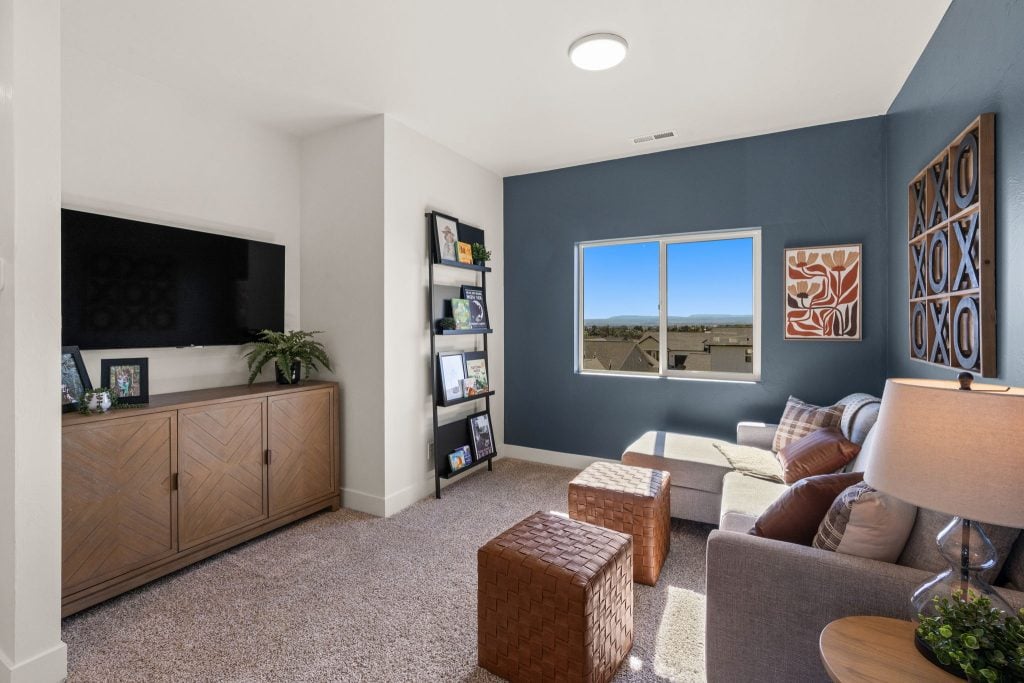
As home design continues to evolve, one feature has steadily risen in popularity: the flex room. Today’s homeowners want spaces that can shift with their lives, support hybrid schedules, and accommodate new hobbies or routines, all without requiring a full remodel. Enter the flex room: a versatile space that adapts as your needs change. Whether you’re aiming to boost your home’s market appeal or simply want more everyday functionality, this guide explores how flex rooms are being used in modern homes and why they’ve become essential in today’s layouts.
What is a Flex Room?
Flex rooms, also called multipurpose rooms or bonus spaces, are designed for adaptability. Unlike traditional rooms with fixed purposes, flex rooms provide the freedom to evolve. Over the past few years, interest in these spaces has surged due to shifting lifestyle patterns, including the rise of hybrid work schedules, increased time spent at home, and a growing emphasis on personal wellness.
Builders today are intentionally incorporating flex spaces into floorplans to support a wide range of functions, from private offices to creative studios. Homebuyers appreciate the blank-canvas potential, and homeowners love that the space can change right along with their needs without major updates or costly renovations.
Why Flex Rooms Are Popular Now
Recent trends have accelerated the popularity of flex spaces:
- Hybrid work is here to stay: Many buyers now expect at least one dedicated workspace at home, not just a desk in the corner. Flex rooms offer privacy and a professional setting for Zoom meetings, remote work, or studying.
- Growing demand for wellness-focused spaces: From yoga retreats to meditation corners to compact home gyms, buyers want areas that support health and stress relief.
- The rise of multigenerational living: As more families share a home, flex rooms provide valuable overflow space that can become a guest suite, caregiving room, or secondary living area.
- Hobby and side-gig growth: Creative pursuits like crafting, content creation, gaming, and home businesses all benefit from adaptable spaces.
- Smarter design and storage: Modern furniture and home organization systems make it easier than ever to transition a room between uses.
These trends make flex rooms one of the most sought-after features in new construction.
Benefits of Having a Flex Room
A well-planned flex room offers several advantages:
1. Strong Resale Appeal
Buyers in today’s market want flexibility. A designated flex space signals that your home can adapt to long-term lifestyle shifts, which is a major selling point.
2. Maximized Use of Square Footage
Even if your home isn’t large, a flex room helps make every area purposeful. It’s an efficient way to expand functionality without building an addition.
3. Seamless Adaptability
From workdays to weekends, flex rooms can change roles quickly. Today’s home may need an office; next year, it may need a nursery or gym. That versatility is invaluable.
Popular Flex Room Ideas
One of the most exciting aspects of a flex room is the creative freedom it offers. Here are some design ideas to inspire your own multi-purpose space:
Home Office
Remote and hybrid work continue to influence home design. If you use the space as an office, consider:
- Acoustic wall panels for sound control
- A backdrop wall designed for video calls
- Smart lighting for productivity and on-camera clarity
Guest Suite/Multigenerational Space
With multigenerational living on the rise, many homeowners convert flex rooms into comfortable guest or family suites. A Murphy bed or chic sleeper sofa saves space without sacrificing comfort.
Kid Zone or Teen Lounge
Families are creating layered spaces:
- Younger kids get a play zone with craft storage
- Teens benefit from gaming setups, homework nooks, or hangout lounges
Home Gym or Wellness Retreat
Wellness spaces have become one of thetop uses for flex rooms. Popular additions include:
- Mirror walls
- Low-profile exercise equipment
- Aromatherapy diffusers
- Ambient LED lighting
Content Creation/Creative Studio
With the growth of creators and remote entrepreneurs, many flex rooms now serve as:
- Podcast spaces
- Art studios
- Music rooms
- Photography/video content areas
Acoustic improvements, natural lighting, and modular storage are particularly helpful.
How to Create Your Own Flex Room
Here are the updated best practices for designing a flex room that truly works:
1. Start With Your Daily Routines
Before buying anything, take some time to map out your daily and weekly routines. Define your top priorities; whether it’s work, fitness, hobbies, family time, or hosting guests, and think about how the room can best support those activities. Design your flex space around those primary needs first to ensure it is functional and serves its main purpose.
2. Choose Multi-Functional Furniture
Today’s flexible furniture is more stylish and adaptable than ever. Consider options like folding workstations, modular sectionals, wall-mounted desks, storage ottomans, and Murphy beds with built-ins to maximize your space.
3. Think Zones, Not Walls
Modern design emphasizes “zoning” rather than building out separate rooms, using elements like rugs to define different uses, lighting styles to create separation, and mobile partitions to offer temporary privacy.
4. Keep the Aesthetic Neutral
A timeless foundation, built on neutral colors and classic materials, allows the room to adapt and evolve without requiring a full, costly redesign each time your needs or tastes change. This way, you can easily update the space with new decor, furniture, or accessories as your life shifts.
The Importance of Flexibility in Modern Home Design
Today’s homes must be more adaptable than ever. Between hybrid schedules, evolving family structures, and a growing emphasis on wellness and personal projects, flexible spaces are quickly becoming a necessity, not a luxury.
A flex room future-proofs your home, giving you space that remains relevant and useful no matter how your lifestyle evolves. Best of all, it encourages sustainable living by maximizing what you already have.
The Endless Potential of Flex Rooms
Flex rooms embody the spirit of modern living: adaptable, purposeful, and deeply personal. Whether you’re envisioning a calm yoga studio, an inspiring art room, or a polished work-from-home hub, the possibilities are truly limitless.
Williams Homes offers thoughtfully designed floorplans throughout California, Idaho, Montana, and Texas, many of which include private flex rooms and bonus spaces ready for whatever your lifestyle demands. Visit WilliamsHomes.com to explore communities you’ll love to call home.